
Comparing Ion Exchange and Scale Conditioning
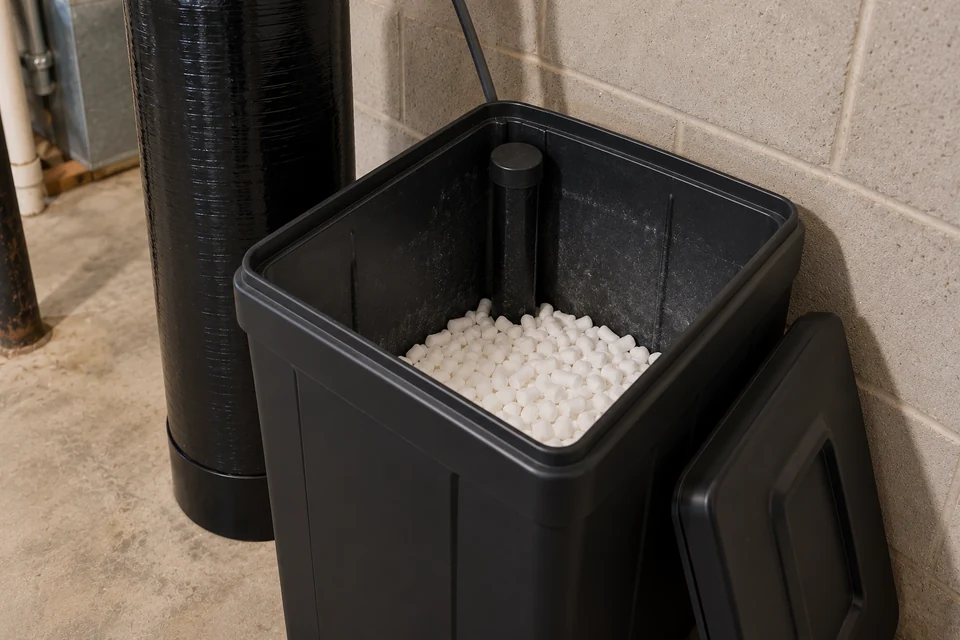
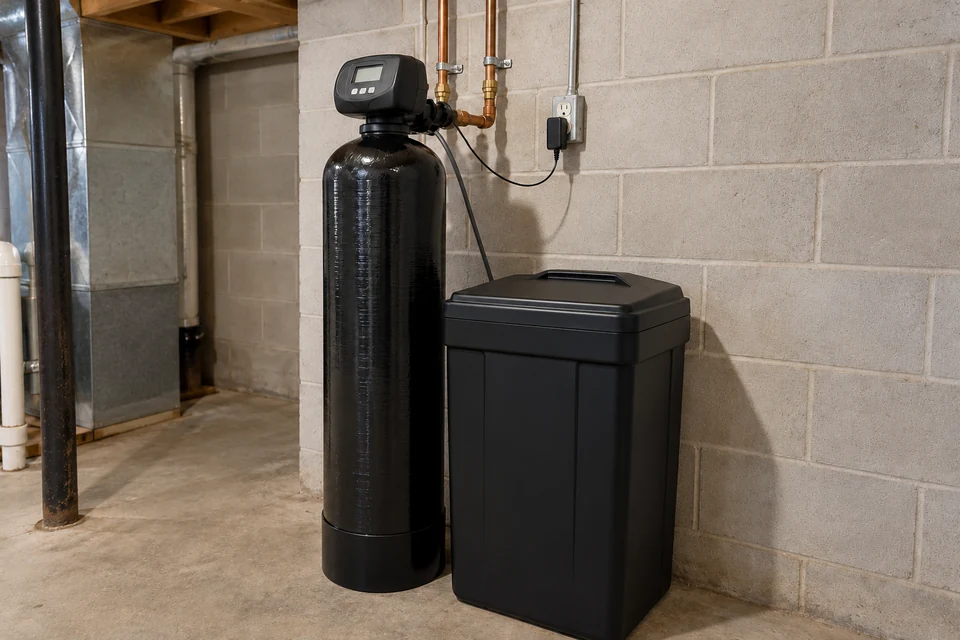
Conventional cation-exchange softeners reduce hardness minerals through ion exchange. In contrast, scale-reduction conditioners use different mechanisms and should not be assumed to remove hardness minerals. Compare verified claims rather than treating all salt-free devices as identical.
Swipe across the table to compare all columns →
| Feature | Cation-Exchange Softener | Scale-Reduction Conditioner |
|---|---|---|
| Hardness Reduction | Exchanges calcium and magnesium ions | Scale reduction does not establish mineral removal |
| Primary Goal | Measured hardness reduction | Product-specific scale management |
| What to Verify | Exact model and hardness-reduction claim | Exact model and documented scale-reduction claim |
Certification Standards for Softeners and Conditioners
NSF/ANSI 44 addresses residential cation-exchange softeners. Conditioners using alternative processes require evidence evaluated against their specific operating claims.
Always verify exact product certifications. A scale-control claim does not indicate universal hardness mineral removal or all-purpose contaminant filtration.
Matching Equipment to Household Water Goals
Equipment selection depends on your primary goal, household water demand, and available space. Neither option serves as an all-purpose drinking-water purifier.
- Measured Hardness ReductionIon-exchange softeners reduce dissolved calcium and magnesium to help manage hardness scale.
- Scale ManagementCheck the exact conditioner’s documented scale-reduction claim; do not assume it produces softened water.
- Targeted FiltrationDedicated filtration systems address separate aesthetic or chemical issues rather than replacing mineral softening.