
01
What determines whether a softener fits this home?
Softener selection must reflect measured hardness, household water use, space, and drain access. A cation-exchange softener reduces calcium and magnesium but does not purify drinking water.
- Household water demand and fixture flow requirements.
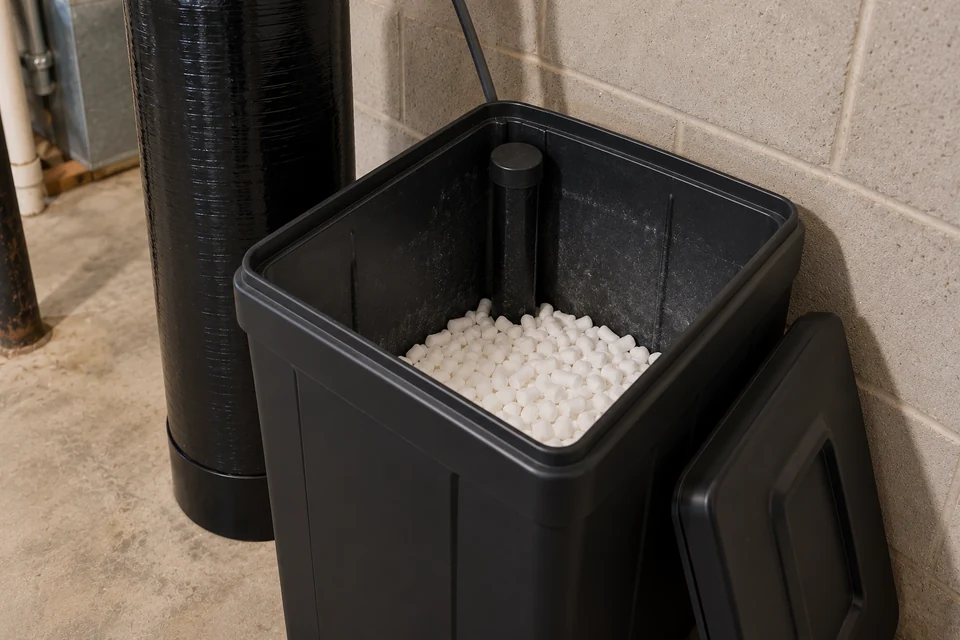
- Available physical space, clearance, and salt loading access.
- Confirmed plumbing connections and designated drain routing.
- Confirm which fixtures and areas need softened water, alongside household flow demand.
02
What should be planned before installation?
An installer should review the site, product instructions and applicable requirements before work begins.
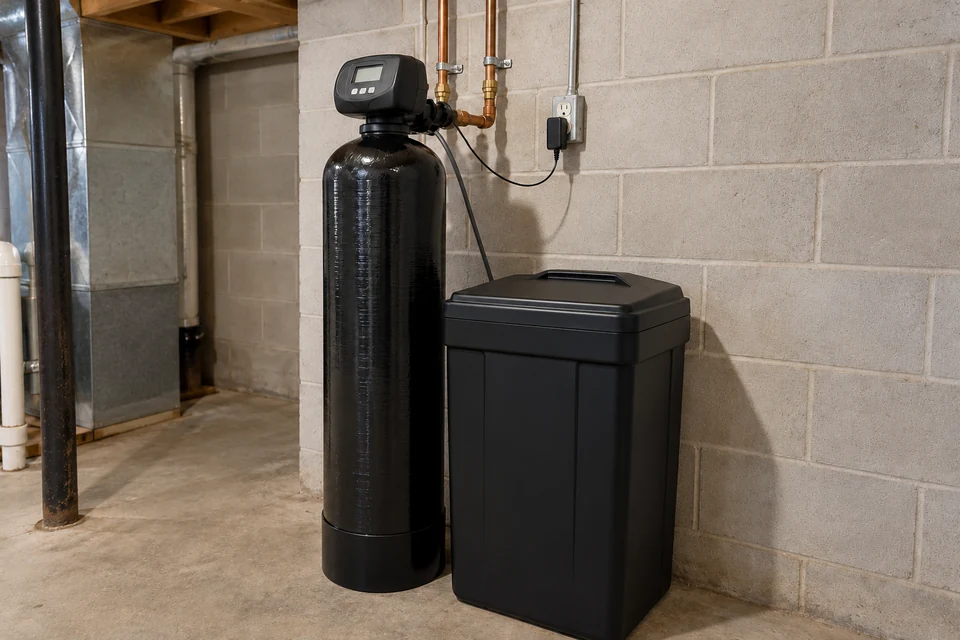
- Select an accessible indoor location with adequate service clearance.
- Confirm bypass valve setup, electrical access, and drain line routing.
- Confirm how regeneration discharge will be handled under product instructions and local requirements.
- Check Mishawaka or South Bend building and plumbing permit requirements for your specific address.
03
What certification claim should be checked?
NSF/ANSI 44 applies to residential cation-exchange softeners. Verify the specific certified model and its stated reduction performance. Cation-exchange softening targets mineral hardness and is not certified for universal contaminant removal.
Explore our softener versus filter guide to understand separate filtration goals.
04
How should a homeowner prepare for an installation quote?
Gathering site details helps installers scope work accurately without assumptions.
- Document your water source, utility supplier, or private well test results.
- Record existing softener details, household size, and fixture counts.
- Photograph the proposed installation location, drain path, and electrical access.